

St. Peter’s Church
Centuries of Mission, Worship and Service
- Thanjavur
- Pastorate: St. Peter's - Thanjore
Who serves here
The story of St. Peter’s Church
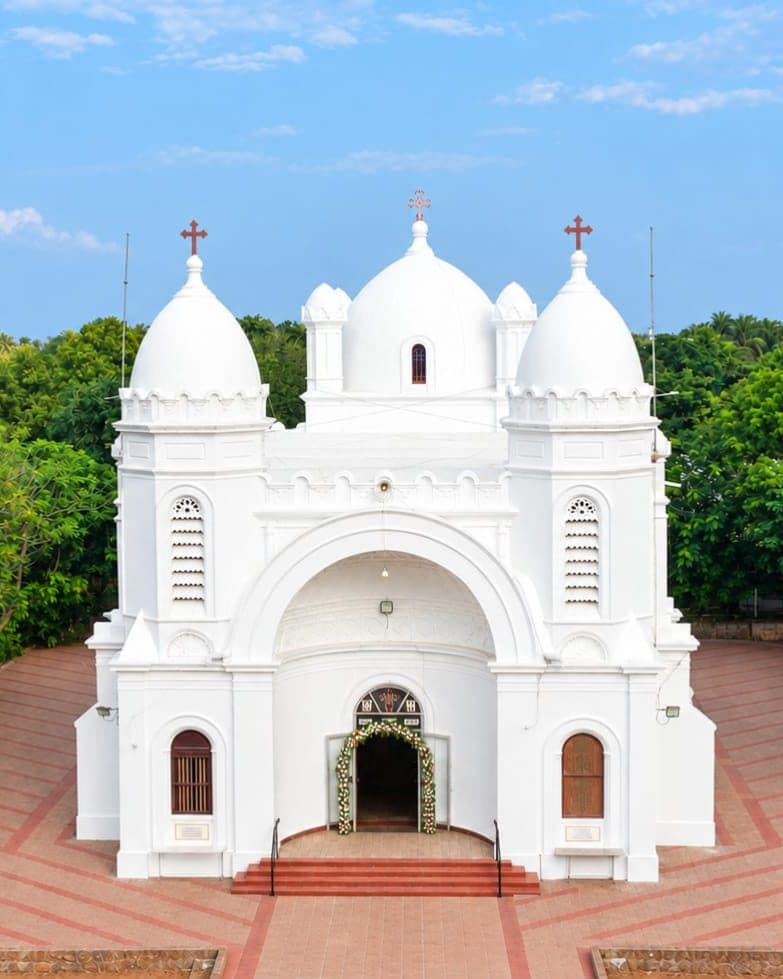
St. Peter’s Church, Thanjavur, stands within the long history of Christian faith and missionary endeavour in the Cauvery delta. Its story reflects the growth of Christian communities, the dedication of missionaries and local believers, and the enduring place of worship, education and service in the life of the city. Across generations, the church has remained part of Thanjavur’s spiritual and cultural heritage.
Early Christian Communities in Thanjavur
Christian presence in the Thanjavur region goes back to the early eighteenth century. There was missionary activity in and around the city from 1728 onwards, and Christian communities grew gradually through preaching, pastoral care and local support. By the early 1730s, Christian families were established in several parts of the region, laying the foundations for a continuing church presence.
The church remembers the contribution of early Christian leaders and missionaries who supported worship and community life. As the congregation grew, places of prayer, instruction and fellowship became increasingly important.
Missionary Service and the Growth of Worship
During the eighteenth century, missionary work continued to expand in the Thanjavur area. John Baldasar Kohlhoff and other church workers served alongside the local Christian communities. Prayer halls and places of worship were established at different stages, helping congregations to gather regularly and strengthen their faith.
Sir Thomas Rumbold and other patrons also supported the development of the church. By 1780, a church known as Christ Church had been established. These developments formed part of a wider history of Christian mission and institution-building in Thanjavur.
Church Building and Institutional Development
The church’s history is linked with successive phases of building and renewal. There were developments during the late eighteenth and early nineteenth centuries, including support for church construction and the expansion of Christian education. Rev. L. Peter Haubroe was associated with architectural work in 1827, and there was further construction around 1830.
Support from church organisations and benefactors helped to sustain this work. The Society for Promoting Christian Knowledge (SPCK) gave assistance, including a grant of 2,000 dollars. A later milestone, in 1845, is associated with the consecration of the church by Bishop Spencer, an important stage in the congregation’s development.
Education, Pastoral Care and Community Life
Alongside worship, Christian education and pastoral care formed an important part of the church’s wider mission. Clergy, teachers and local supporters helped to provide learning opportunities and nurture the spiritual life of the community. These efforts strengthened the relationship between the church and the people it served.
Over time, the congregation continued to adapt to the changing needs of Thanjavur. Church members and leaders worked to maintain the building, sustain worship and preserve the community’s heritage for future generations.
Renewal and a Continuing Witness
There were further pastoral and institutional developments into the twentieth century and beyond. Successive ministers and church members continued to support the congregation’s worship, fellowship and service. The church’s story is therefore not only one of historic foundations but also one of renewal and commitment across generations.
“Like living stones, let yourselves be built into a spiritual house.”
Built year by year
Two milestones, laid like courses of stone: the oldest at the foundation, each later one set above it.
- 1827Architectural workAssociated with Rev. L. Peter Haubroe
- 1845Consecration of the churchAssociated with Bishop Spencer